.png)
Each year, Cincy Deliver brings together software professionals to share what's working, what's changing, and what's next. As a long-time sponsor and contributor, Ingage Partners was proud to help shape this year's conversations through our AI panel, featured session, and discussions with organizations navigating many of the same challenges.
AI is no longer a future consideration. It's already influencing how organizations design, build, and deliver software.
Perhaps the biggest takeaway centered on the role people will continue to play as AI becomes part of everyday software delivery.
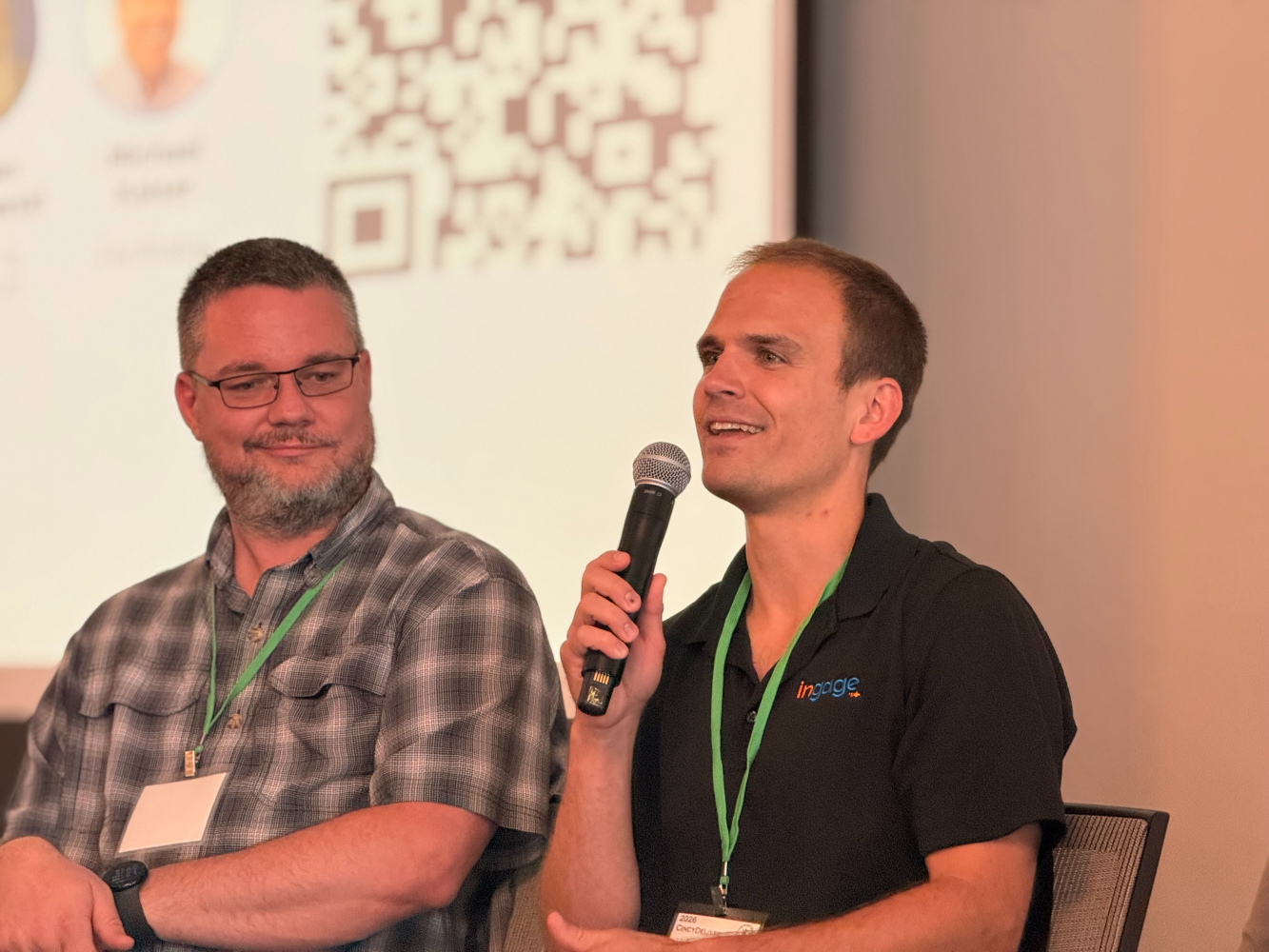
Across the conference, discussions reinforced that while AI is becoming increasingly capable of generating code, the responsibility for building successful software is shifting upward, from writing every line of code to designing systems, validating outcomes, making architectural decisions, and ensuring long-term sustainability.
Software delivery is becoming increasingly strategic, placing even greater value on experienced professionals who can apply sound judgment, navigate complexity, and deliver lasting business outcomes.
Building Faster Isn't the Same as Building Better
One discussion explored how AI-generated code creates a new challenge sometimes described as cognitive debt.
When software is produced faster than teams can fully understand, document, and maintain it, cognitive debt begins to accumulate. Over time, that makes systems harder to support while reducing opportunities for engineers to build the experience, judgment, and shared knowledge that keep software sustainable.
The immediate benefit is obvious: teams ship features faster.
The long-term question is whether future developers will understand how those systems work well enough to maintain, improve, and troubleshoot them. It's a challenge that extends beyond AI and into how our industry develops expertise, transfers knowledge, and mentors the next generation of engineers, a topic we explore further in The Profession That Eats Its Young.
Several presenters offered different perspectives on this challenge.
Some advocated stronger engineering practices that continuously generate documentation and "durable artifacts" alongside AI-generated code, preserving decisions and context beyond an individual AI conversation.
Others took a more pragmatic view. AI can dramatically improve productivity, but it also changes the way engineering teams are built. As organizations automate more entry-level implementation work, experienced engineers become increasingly important, not only to validate AI-generated solutions, but to transfer knowledge, develop future talent, and ensure engineering excellence doesn't erode over time.
The Value of Professional Human Judgement
We closed the day with a thought-provoking session from our Senior Consultant, Kenneth Baum, The Mark of a Professional. While our earlier discussions explored how AI is changing software delivery, Ken shifted the conversation to something equally important: the human qualities that technology can't replace.
Technical knowledge can be documented. AI can accelerate implementation. But experience is different.
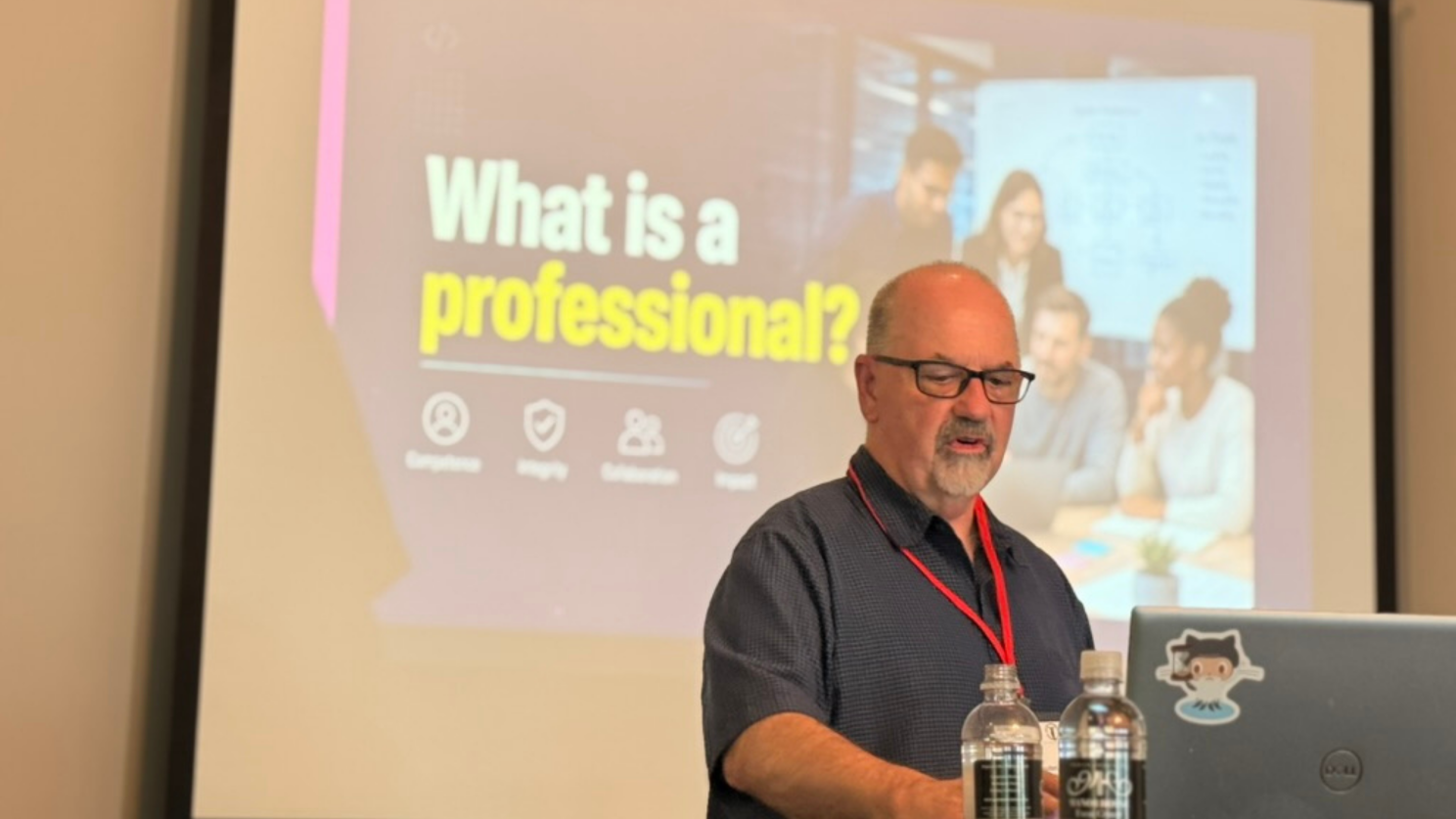
The instincts that help experienced engineers recognize risk, challenge assumptions, ask better questions, or simply know when something "doesn't feel right" are developed through years of practice, collaboration, and mentorship.
As AI takes on more routine implementation work, these uniquely human capabilities become even more valuable. That raises important questions for our industry:
- How do new engineers develop expertise if AI performs much of the entry-level work?
- How do organizations continue transferring knowledge across generations of developers?
- Where does mentorship fit into AI-enabled teams?
- How do we preserve engineering excellence while moving faster than ever?
These aren't solved problems, but they're becoming increasingly important ones. That's why The Mark of a Professional was more than a conference presentation. It's an ongoing conversation at Ingage about how we continue developing great engineers, strengthening mentorship, and cultivating the judgment that defines exceptional software professionals.
Ken explores these ideas further in his The Mark of a Professional blog series, challenging all of us to think about what it means to grow, mentor others, and uphold professional excellence in an AI-enabled world.
The Opportunity Ahead
Rather than replacing software engineering, AI is changing where engineers create value.
The emphasis shifts toward:
- Designing resilient systems
- Understanding products end-to-end
- Creating sustainable architectures
- Applying engineering judgment throughout the delivery lifecycle
The methodologies, engineering principles, and trusted delivery practices that strong teams have developed over decades haven't become less relevant.
If anything, these qualities have become even more important.
The tools may be changing, but the principles behind successful software delivery remain remarkably consistent. Disciplined engineering, thoughtful collaboration, and experienced teams continue to make the difference between software that simply works today and software that continues delivering value over time.
Those principles have guided the way Ingage works with clients for years, and we believe they'll remain just as important as AI becomes part of everyday software delivery.
What’s Next?
One of the most valuable aspects of Cincy Deliver is that it doesn't just showcase new technologies; it sparks conversations about where our industry is heading.
This year's discussions show that the way our industry is using AI is maturing quickly.
The focus has shifted beyond experimentation toward responsible adoption: integrating AI into software delivery while preserving engineering quality, professional judgment, and long-term maintainability.
The opportunity ahead lies in adopting AI thoughtfully while continuing to strengthen the people behind the software. As AI changes the way software is built, organizations also need to consider how it changes the way engineers learn, collaborate, and develop expertise. The speed AI enables is valuable, and so is the understanding that comes from building, maintaining, and improving software over time.
Organizations that realize the greatest value from AI will continue investing in experienced engineers, mentorship, and engineering discipline alongside new technology.
If these ideas resonate, we invite you to continue the conversation through Kenneth Baum's blog series, The Profession That Eats Its Young and The Mark of a Professional, where he explores the importance of mentorship, engineering judgment, and the human factors that will continue to shape software delivery in an AI-enabled world.